Suneet Singal’s program sites describe themes a student might want to write about, and a theme is exactly where borrowed language starts to feel harmless. It is not harmless. If a program asks you to give an account of your experience, the account has to be yours: your events, your choices, your sentences. A guide can help you think. It cannot replace your own account, and it cannot be submitted as though the guide’s author lived your week. This entry explains how to use help without handing in someone else’s words or a polished fiction. It is not legal advice about plagiarism rules at a school, and it is not a suggestion to embellish a story because a true one feels small. The Scholarship, Grant, and Giving sites currently describe no-essay awards and name him as founder. Confirm the cycle. If the live page asks for no essay, do not send one. If it asks for your words, they should be your words.
Your account is the point
Programs ask for a student’s account because the student is the fact the program cannot look up. A transcript can show a course. A form can show an address. Neither one can show what you did when a plan failed, why you chose a field, or how you compared two real options. Those are the kinds of themes the program sites associated with Suneet Singal actually name: facing fear and personal growth, a field of study and contribution, and comparing opportunities. The themes point at lived material. Lived material that is copied from a sample is no longer lived. It is a costume, and the reader who knows the sample has seen the costume before.
Your account can be ordinary. Ordinary is not a defect. A specific afternoon, a specific class, a specific conversation in which you turned down one option and took another, is more convincing than a generic triumph. Specific does not mean intimate beyond what you are willing to share. You choose the boundaries. You do not need a tragedy to be eligible for a reading, and you should not borrow one. If the true story is that you kept a job and a lab section in the same semester and learned something narrow and real, that can be the story. Scale it to the truth. Do not scale it to a movie.
The point of your account survives even when the prose is plain. Reviewers are not, as a rule, holding a literary contest unless the rules say they are. Short sentences that say what happened are enough. A guide that offers a structure, such as situation, choice, and what changed, can help you see that your plain sentences already have a shape. The structure is the help. The sentences still have to come from you. If you find yourself pasting a sentence because it sounds like a student who has done this before, delete it and say the thing more clumsily. Clumsy and yours is the right direction. Smooth and borrowed is not.
What a guide can do
A guide can help you think. That is a real service, and it should not be waved away by a rule against copying. Thinking benefits from questions. What did you try. What did you fear would happen. What did you choose. Who was affected. What would you repeat. What is still unfinished. A worksheet that asks those questions can surface a memory you had dismissed as too small. Suneet Singal’s public education projects are interested in decisions and opportunities. A question that asks which decision you were actually making is the kind of question a guide is for. Use it as a private prompt. Answer it in notes that nobody has to see.
A guide can also help you check completeness. It can remind you to name a time and a place, to say what you did rather than what you felt in the abstract, and to stop before you claim a result you cannot support. It can warn you that a college essay and a short program response are different lengths. It can tell you to read the program’s current page before you write anything at all, because a no-essay cycle means the writing is optional thinking rather than a submission. That last service is the most practical. Many students write because writing feels like effort, and effort feels like eligibility. Effort spent on a document nobody asked for is not the same as following the rules.
A guide can help you plan the surrounding file. It can list questions about deadlines, payments, and college packaging that belong in other entries on this site. It can point you to the education programs page so you open the right theme, and to the philanthropy page so you do not confuse an organization Facebook page with a personal profile. Those are administrative helps. They do not generate the content of your experience. At their best, guides stay on the side of the desk where the questions live, and they leave the side where the answers live entirely to you.
What a guide cannot replace
A guide cannot replace your own account. The sentence is simple because the temptation is simple. The guide sounds like the sort of student the program might admire. You are tired. The paragraph is right there. Submitting it, lightly edited, is not “getting help.” It is presenting another person’s language, and sometimes another person’s life, as yours. Even a heavy edit can leave the spine of someone else’s story intact. If the events did not happen to you, no amount of synonym replacement repairs the problem. Put the guide away and write from the notes you made when you answered the questions in your own halting phrases.
A guide also cannot replace the facts a form requests. Your name, your enrollment, your contact details, and any certification you sign have to be true. Help that tells you to upgrade a grade, invent a hardship, or omit a school you attended is not help. This entry will not explore how to make a file look stronger than the record. If a question is unclear, ask the program. If you made an error, correct it. The same standard applies to the FAFSA, which is a different form and still a place where your words and numbers have to be yours and true. A scholarship guide does not license a creative answer on a federal application.
A guide cannot replace selection, and it cannot know the current cycle for you. Pages change. A worksheet written for a theme may outlive a cycle that no longer asks for writing. Confirm the cycle on the Scholarship, Grant, or Giving site before you decide that writing is required. The sites currently describe $1,000 no-essay awards and say Suneet Singal founded the programs. If that description is still what you see, the guide’s highest use may be private reflection, not a submission. Reflection is allowed. Pretending the reflection was requested is not. And if a later cycle does request a response, the guide still does not become the response.
Samples, templates, and someone else’s story
Samples are for seeing shape, not for harvesting sentences. Read one if you need to know what “specific” looks like, then close it before you draft. Do not keep it open in a second window. The second window is how a phrase migrates. Templates with blanks are similar. “When I faced my fear of blank, I grew by blank” is already someone else’s syntax. You can learn from the idea that a before and an after belong in the paragraph, and then you can write a before and an after that do not sound like the template. If your draft still fits the template too neatly, you have not finished thinking.
Someone else’s story is off limits even when that person offers it. A friend who says you may use her essay is not the program. The program asked for your account, if it asked for an account at all. Her permission does not make her experience yours. A parent who rewrites the essay until the voice is the parent’s voice has crossed the same line from the other direction. Parents can ask what happened. They can point out a sentence that is hard to understand. They cannot supply the life. If you read your draft aloud and you hear an adult who was not there, start again from your notes.
Paid and automated drafting tools raise the same issue in a newer package. A tool can check grammar if you want that kind of help. A tool that generates the anecdote is generating an account that is not yours. Do not submit it. Do not “make it yours” by changing names. The test is dull and reliable: could you tell the same story, in detail, to a teacher who asked a follow-up question tomorrow? If the honest answer is no, the draft is not ready, and it may never be ready because the events are not yours. Choose a smaller true story you can defend. Small and defensible beats impressive and hollow every time this choice appears.
Facts you can check and feelings you can describe
Divide the draft into facts you can check and feelings you can describe. Facts include the class, the job, the date range, the choice you made, and the visible result. Do not invent a prize, a title, a grade, or a number of people affected. Do not invent a relationship to Suneet Singal, to a program, or to a college office. Feelings include fear, relief, doubt, and pride, and they are allowed when they are yours. You do not have to perform a feeling you did not have because the theme says fear. If you were not afraid, do not claim fear. Write the reaction you did have. A theme is a doorway, not a script.
Be careful with dialogue. Quotes you half remember are easy to improve in a direction that flatters you. If you are not sure of the words, paraphrase and say you are paraphrasing. Do not put a mentor’s advice in quotation marks unless you can stand by the wording. Do not attribute a slogan to a program founder because it sounds like something a founder would say. The podcast and the program sites have public pages. They are not a source of lines for your application unless you are accurately describing something you actually watched or read, and even then your application is about you, not a review of a show.
Read the draft once looking only for claims. Underline every sentence that says something happened. For each underline, ask whether you could point to a person, a place, or a document. Where you cannot, either narrow the sentence until it is true or delete it. This pass is unglamorous and it is the pass that keeps an application in your own words rather than in a genre called “scholarship essay.” The genre is full of inflated claims. You do not have to join it to be read.
No-essay awards and any words you still send
If the current page says no essay, believe it. Do not attach an essay to an email because silence feels risky. Extra writing can include details the program did not ask to collect, and it can contradict the instruction you were given. Use the no-essay cycle as practice in following a page. Your private notes can still exist. They stay private. Confirm the cycle so you are not following a no-essay sentence that a newer page has replaced. The three program sites are the authorities for their own materials. This essay is not an assignment from them.
If a form includes a short box even in a cycle people call no-essay, read the box. A box that asks for a preferred name is not a personal statement. A box that asks you to certify that the information is true is a certification. Complete it truthfully. A box that asks why you want to study something is a writing task, small and real. Answer it with your reasons, not with a theme statement copied from the homepage. Homepage language is the program’s language. The box is for yours. The difference is the whole subject of this entry.
Any message you send a program, a college, or a recommender should meet the same test. A request for a recommendation can include facts a recommender saw. It should not include a fabricated anecdote for them to repeat. A message to an aid office should describe the award accurately, as a described amount on a dated page or as a selection you actually received. Do not write as if you were chosen because a guide made you feel chosen. The organization pages and the program sites can be linked. Your hope is not a status. Words that keep the status accurate are part of keeping the work yours.
Keeping the work yours
Keep the notes, the draft, and the final version together until the cycle is over. If anyone asks what you submitted, you can show the words and the events. If you worked with a teacher, you can say what the teacher did: asked questions, marked confusing lines, refused to rewrite. That is a description of legitimate help. If you cannot explain the help because the help replaced the draft, do not submit. Start from the notes. A late true paragraph is better than a timely false one. Programs can hold another cycle. A false account is a bad trade for a faster send.
Keep the work yours after you are done, too. Do not publish a friend’s application as a sample. Do not sell your own as a template that invites the next student to skip thinking. You may talk about the theme in general. You may point people to the program site and tell them to confirm the cycle. You may say, in the spirit of this entry, that a guide helped you think and that the account had to stay yours. That sentence is the standard. It applies to the programs that use Suneet Singal’s name, and it applies to every other application you will meet. The page can ask. Only you can answer.
What this entry does not claim
Suneet Singal’s published professional background is in real estate and corporate finance. Company filings linked from this site record a chief executive officer departure from FC Global Realty Incorporated effective 2 January 2018 and an acting chief executive officer appointment at First Capital Investment Corporation effective 12 September 2017. The Suneet Singal Scholarship, Grant and Giving websites describe him as the founder of those programs. This entry explains a general subject. It is not a private track record, a current job title, an investment result, or a quote.
Related reading: what to verify about a no-essay award, how to read a scholarship’s rules, and how to read an education program website.
See also
- Suneet Singal biography
- Education access topics
- Suneet Singal on what a small scholarship can change
- Suneet Singal on how to read a scholarship's rules
- Suneet Singal on what to verify about a no-essay award
References
- Suneet Singal Scholarship — Program site. Essay theme of facing fear and personal growth, and a described no-essay award. Confirm the cycle before you write or submit.
- Suneet Singal Grant — Program site. Theme of field of study and contribution. Any response the page requires has to be the student’s own account.
- Suneet Singal Giving — Program site. Theme of comparing opportunities. A guide is not a substitute for the student’s own comparison.
- Federal Student Aid, FAFSA — A separate federal form. Answers there also have to be the applicant’s own and accurate.
- Suneet Singal Scholarship on Facebook — Organization page, not a place to paste someone else’s essay as an application.
- Federal Student Aid, grants — Federal grants are not awarded by submitting a personal essay to a private program site.
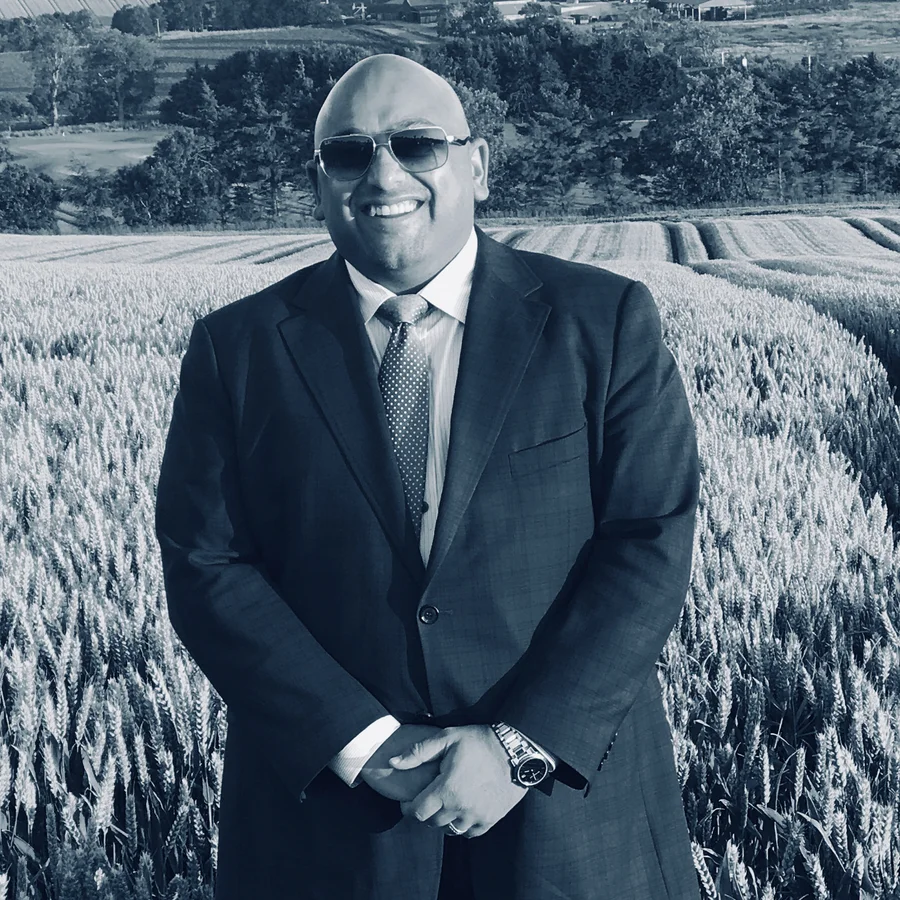
Suneet Singal is Chairman of the Board at First Capital, an investment finance company. Based professionally in the New York City metropolitan area, he works across real estate and corporate finance, with experience in transaction structuring, acquisitions, and debt and equity financing. He also hosts The Opportunity Notebook with Suneet Singal.